Where sustainability meets wedding splendour
Across the wedding industry, a quiet redefinition of luxury is underway. For a generation of couples raised amid conversations about climate change and dwindling resources, opulence no longer means excess for its own sake. Instead, the finest celebrations are increasingly measured by intention: locally sourced flowers instead of flown-in blooms, candlelight instead of banks of spotlights, heirloom China instead of single-use finery. Eco-conscious luxury weddings are proving that sustainability and grandeur are not opposing forces, they are, in fact, natural partners.
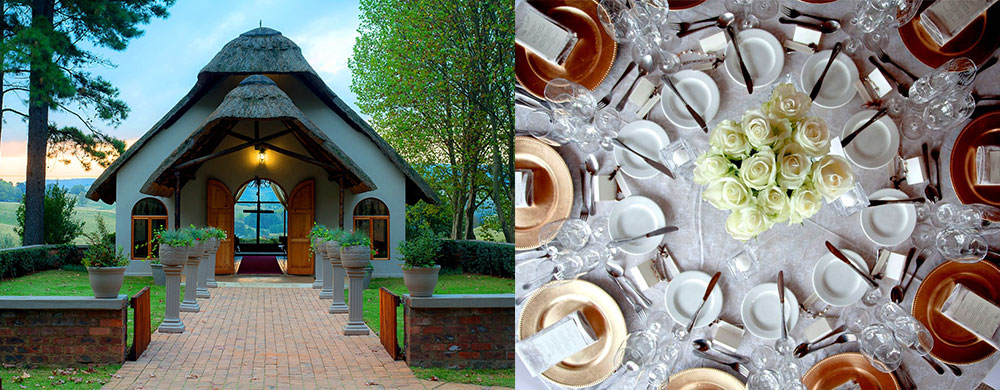
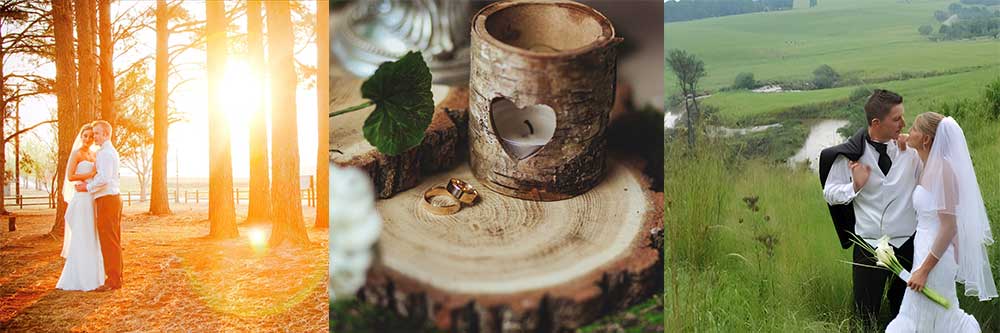
The shift is visible first in the choice of venue. Couples are gravitating toward properties where the landscape itself does much of the decorating – established gardens, indigenous woodland, or a valley view that needs no floral arch to compete with it. A wedding set among century-old trees or terraced lawns already carries a sense of occasion, reducing the need for imported greenery, synthetic backdrops, or elaborate structural builds that are dismantled and discarded within hours. This “borrowed scenery” approach, long used by garden designers, has become one of the most effective sustainability strategies available to event planners, precisely because it asks couples to work with a place rather than transform it.
Catering tells a similar story. Kitchens with strong relationships to nearby farm and foragers are able to build wedding menus around what is genuinely in season, rather than shipping ingredients across provinces or continents to fulfil a Pinterest board. With spring settling in, this might mean menus built around new-season greens, early stone fruit and fresh herbs rather than forced, off-season produce. Culinary artists who embrace this constraint often describe it as liberating rather than limiting: a smaller, more considered ingredient list tends to produce more refined, story-driven food than an unrestrained one. Zero-waste plating, root-to-stem cooking, and reduced-plastic service have all moved from the margins of fine dining into mainstream wedding catering as a result.
Florals and décor are undergoing their own quiet revolution. Foam-free arranging, potted plants that guests take home rather than cut stems destined for the compost heap, and linen or bamboo alternatives to single-use plastics are now considered markers of a well-run event rather than niche eco add-ons. Couples are also rethinking favours and stationery: digital invitations, seed-paper place cards, and locally made keepsakes replace mass-produced trinkets that historically ended up in landfill within a season.
Perhaps the most significant change is in mindset. Eco-conscious luxury does not ask couples to strip back their ambitions; it asks them to redirect spending toward craftsmanship and experience rather than volume and disposability. A single, exceptional local wine poured all evening can feel more luxurious than a sprawling international list nobody finishes. A hand-thrown ceramic favour from a regional potter often means more than a boxed trinket. In this sense, sustainability and luxury converge on the same value: things made with care, in the right place, for the right reason.
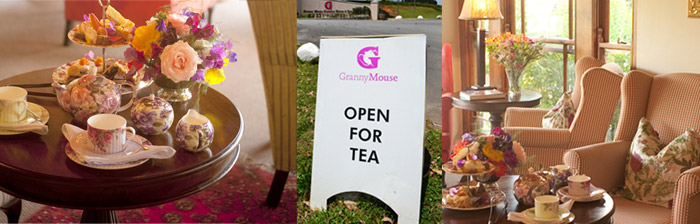
Properties built around working gardens, farm-to-table kitchens, and a genuine sense of place are naturally well positioned for this shift. Granny Mouse Country House & Spa, set in the Caversham Valley of the KwaZulu-Natal Midlands, is one such example, where established grounds and a kitchen attuned to the surrounding farmland allow celebrations to lean on what already exists rather than what must be brought in.
Does this sound like the sort of wedding you’re after? Contact Granny Mouse on banqueting@grannymouse.co.za to talk through our eco-wise wedding and how the team can make your dream a reality.