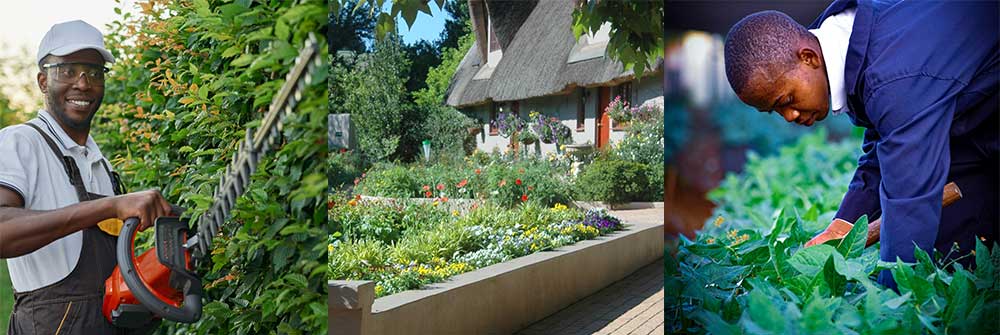
Get your garden ready before the first heatwave
There is a moment in the transition from spring to summer when a garden seems to change almost overnight. New growth appears, flowers begin to open, and the landscape takes on the fuller, greener character that makes the warmer months so appealing. Yet the gardens that look their best through summer are rarely the result of last-minute attention. They are shaped by the decisions made in the weeks and months before the heat arrives.
Across South Africa, where water security, changing rainfall patterns and increasingly demanding weather conditions influence how outdoor spaces are maintained, preparing a garden for summer has become about more than appearance. It is an opportunity to create a landscape that is both beautiful and resilient, making considered use of water, soil, plant selection and the natural conditions of the site.
In the KwaZulu-Natal Midlands, the arrival of warmer weather brings its own opportunities and challenges. Rain can encourage vigorous growth, but periods of heat and dry conditions can place additional pressure on plants. The most successful approach is to prepare for both, rather than assuming that summer rainfall will take care of everything.
Sean Granger, General Manager of Granny Mouse Country House & Spa, understands how much the surrounding landscape contributes to the character of a destination.
“A garden should feel as though it belongs to its surroundings. Its beauty comes from more than the flowers in bloom; it comes from the balance between the plants, the trees, the soil and the wider environment. Looking after that balance requires attention throughout the year, not just when the garden is at its most visible,” says Granger.
Before planting new flowers or investing in seasonal colour, look at the condition of the soil. Healthy soil retains moisture more effectively, supports root development and provides a stronger foundation for plants facing summer heat. Adding suitable organic matter can improve soil structure, while a layer of mulch around established plants helps reduce evaporation and moderates soil temperature. Mulch should be applied with care, keeping it away from direct contact with stems and tree trunks to avoid creating conditions that encourage rot.
It is also worth reviewing drainage before heavy summer rain arrives. Compacted areas, blocked channels and places where water consistently pools can cause problems for roots and lawns alike. Addressing these issues early helps a garden cope with both intense downpours and dry spells.
The same thoughtful approach should guide planting decisions. Seasonal planting is often driven by what looks attractive in a nursery, but the better question is whether a plant suits the garden in which it will grow. Sun exposure, soil type, wind, drainage and available water should all influence the decision.
Indigenous and locally appropriate plants can be particularly valuable when selected for the conditions of a specific site. They may support local biodiversity and, once established, some require less supplementary watering than plants poorly suited to the environment. However, no plant is automatically water-wise simply because it is indigenous; its needs still depend on where and how it is planted.
Grouping plants with similar watering requirements also makes maintenance more efficient. Rather than applying the same amount of water across the entire garden, irrigation can be tailored to different areas, helping avoid waste and unnecessary stress on plants.
Watering is one of the most important aspects of summer garden care, but more is not always better. Deep, appropriately timed watering encourages roots to establish below the surface, while frequent, shallow watering can leave plants more vulnerable to drying conditions. Watering early in the morning generally reduces evaporation, and irrigation systems should be checked for leaks, blocked emitters and overspray onto paved areas. Rainfall should also be taken into account before watering, rather than relying on a fixed schedule regardless of conditions.
Pruning, lawn care and fertilising require similar judgement. Over-pruning at the wrong time can expose plants to stress, while excessive fertiliser may encourage growth that demands more water and maintenance. Understanding the needs of each plant is more effective than applying a uniform approach to the entire garden.
Perhaps the most overlooked element of garden preparation is patience. A newly planted border may need time to fill out, a young tree may take years to provide meaningful shade, and a healthy garden will change in appearance as the seasons progress. Trying to force immediate results can create unnecessary expense and maintenance.
At Granny Mouse Country House & Spa, the established trees, surrounding greenery and natural setting are an important part of the guest experience. They offer a reminder that a landscape’s character develops through sustained care rather than a single seasonal makeover.
“The aim should be to create gardens that people can enjoy while respecting the environment in which they grow. Thoughtful choices, consistent maintenance and an understanding of the seasons all contribute to a healthier landscape,” Granger says.
Preparing a garden for summer need not mean starting again. Often, the best results come from understanding what is already growing, identifying what needs attention and making small, purposeful improvements.
As the warmer months approach, take a walk through your garden and look beyond the flowers. Check the soil, assess the water supply, review the planting and consider how the space will respond to the season ahead. A garden prepared with care is better placed to thrive — and more rewarding to spend time in — when summer finally settles in.