Touch Averse Spa Therapy
Formally trained and registered massage therapists encounter all sorts of clients with varying degrees of comfort. You may have- or may know people who have- an aversion to being touched by strangers, also known as haphephobia or tactile defensiveness, and there are a myriad of factors.
Sometimes it has to do with trauma which may be diagnosed as Complex Post Traumatic Stress Disorder, sometimes it depends on where you live and how much touch is part of your culture. No matter the roots, touch aversion and touch deprivation are problems and spas can support people suffering from these.
Whether or not one has touch aversion or feels deprived of touch, touch is a human need and touch deprivation increases negative health outcomes.
Touch deprivation goes by many names – touch starvation, touch depression, affection deprivation, touch hunger, or skin hunger – and the science behind it isn’t new. Nor is it a trivial concern. In the 1990s, scientists travelled to Romania to study sensory deprivation of children in understaffed orphanages. They found that touch-deprived children showed significantly lower growth development than children who were not touch deprived.
According to the Texas Medical Centre, “Touch starvation increases stress, depression and anxiety, triggering a cascade of negative physiological effects. The body releases the hormone cortisol as a response to stress, activating the body’s “flight-or-fight” response. This can increase heart rate, blood pressure, respiration and muscle tension, and can suppress the digestive system and immune system—increasing the risk of infection.”
The pandemic brought an epidemic of touch starvation to the forefront. Spas are well positioned to meet that head on with massage therapy, body treatments, facials and signature services. This is something to communicate: that it’s OK to need human touch and that your team members are there to provide it.
Touch has multiple physical and mental health benefits. Touch can even help people fight off infection and disease.
Massage shows similar benefits against illness. Tiffany Field, director of University of Miami School of Medicine’s Touch Research Institute, says, “We found that massage actually increases natural killer cells. Natural killer cells are the front lines of the immune system. They kill viral cells, bacteria cells…. We think that the reason that happens is because we’re knocking down cortisol levels, the body’s culprit stress hormone. Cortisol kills natural killer cells, and so if we can reduce the stress hormones, we can save natural killer cells.”
Touch also has emotional and cognitive benefits. Just 15 minutes of touch is connected to enhanced growth and weight gain in children as well as emotional, physical, and cognitive improvements in adults.
The best kind of touch includes massage therapy. Studies show that touch is associated with increased feelings of trust and safety, reduced heart rate and blood pressure, reduced pain and release of oxytocin (“the love hormone”) and serotonin.
Field says that holding hands, hugging and cuddling are all “pretty good” but that more pressure is associated with more benefits. She said, “Light stroking is a bit aversive to most people because they feel like they’re being tickled. … Heart rate decreases when you’re getting moderate pressure. Heart rate increases when you’re getting light pressure. Same with blood pressure.”
The kind of touch is of particular importance to people who are touch averse. Recommendations are for touch that is clearly focused on rehabilitative massage (like in physiotherapy clinics)- firm instead of light, to decrease the heart rate, less skin contact, less rubbing.
Here are suggestions for both client and therapist: –
Craniosacral Therapy: This technique focuses on gentle holding and subtle manipulations of the skull and spine, which can be less stimulating and more comfortable for touch-averse individuals.
Assisted Stretching/Thai Massage (clothed): These options involve physical manipulation but with clothing as a barrier, potentially reducing discomfort.
Foot Rituals- especially Reflexology/Facials: Many spa treatments like foot rituals or facials involve minimal direct contact and can be a good way to experience the spa environment without a full-body massage.
Ashiatsu (with therapist’s feet): In Ashiatsu, the therapist uses their feet to massage the body, which can be a less intimate experience for some.
Hydrotherapy: Treatments like soaking in a mineral bath or using water jets focus on the therapeutic effects of water, minimizing direct skin-to-skin contact.
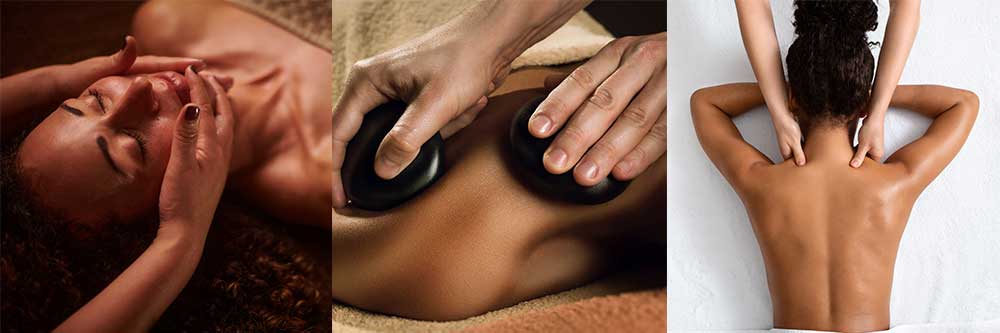
Hot Stone Massage: The placement of stones can be adjusted to avoid direct contact with particularly sensitive areas. It also generally eliminates skin to skin contact.
Treatments to be cautious of: Massage (generally). While massage is a core spa treatment, it inherently involves touch. Therapists can modify techniques and pressure, but the fundamental element of touch remains.
Body Scrubs/Exfoliation: These treatments involve direct contact with the skin for exfoliation, which may be uncomfortable for those sensitive to touch.
Tips for ensuring a comfortable experience:
Communicate with the spa: Inform the spa staff about your aversion to touch when booking your appointment and discuss options for modifying treatments or avoiding specific areas.
Consider a consultation: Some spas offer consultations to discuss your needs and preferences before booking a treatment.
Focus on the overall experience and ambience. Be aware that therapists will consider your preferences. They ask about restrictions and comfort levels before starting and check in along the way. They cover whatever part of your body they’re not working on with sheets, so you’re not anymore “exposed” than they need you to be. The room is dimly lit, and they generally wear dark uniforms so that their presence isn’t imposing, even when they’re standing close to the table. They often put a warm damp cloth over your eyes. It is completely fine, and even common, to request a specific gender.
Embrace self-care in the hands of expert spa therapists at Granny Mouse Spa. Book your escape today by contacting the Granny Mouse team: spa@grannymouse.co.za