The one thing your décor budget can’t buy….
Ask anyone to describe a wedding that stayed with them, not their own, necessarily, but one that lodged itself in the memory and refused to leave, and they will rarely lead with the floral arrangements or the decor. They’ll talk about the light coming through a particular window at a particular hour. The way the room smelled. The sense, from the moment they arrived, that they had stepped into somewhere that already knew what it was doing. The flowers and décor were beautiful, no doubt, but they remember the feeling, the mood and the atmosphere.
This is the thing that the wedding industry, with its mood boards and Pinterest aesthetics and carefully curated vendor lists, often obscures: atmosphere is not decorative. It is structural. And it exists, or it doesn’t, long before the venue is dressed.
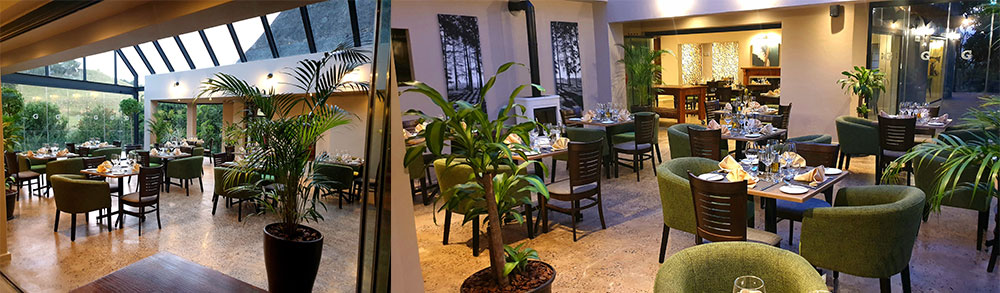
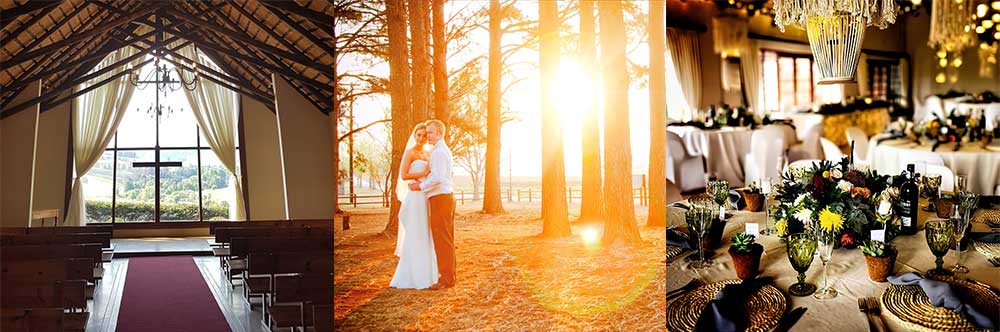
The venues that consistently produce weddings people talk about for years are not necessarily the grandest or the most photographed. They are the ones that have done the invisible work. The work of proportion – rooms that hold a gathering without dwarfing it, that create intimacy without constriction. The work of light, windows positioned to catch the afternoon gold, interiors that respond warmly to candlelight, outdoor spaces that transition naturally as the day moves from ceremony to celebration. The work of sound, the innate acoustic qualities that allow a string quartet to fill a space without overwhelming it, that carry a toast clearly without the need for amplification that breaks the spell.
These are not afterthoughts. They are architectural decisions, landscaping decisions, decisions made years or decades before any couple walks through the door looking for somewhere to get married. A venue either has them or it doesn’t, and no amount of styling budget closes that gap.
There is also the question of sequence, the way a well-designed wedding venue guides guests through a day without ever making the choreography visible. The arrival experience that sets the tone before a single word is spoken. The natural flow from ceremony space to cocktail area to reception room, each transition feeling inevitable rather than managed. The outdoor spaces that invite guests to exhale between the intensity of the ceremony and the warmth of the reception. Great venues understand that a wedding is not a series of events but a single sustained experience, and they have been designed accordingly.
Then there is what might be called the quality of welcome, something harder to quantify but immediately felt. It lives in the details that were attended to before anyone asked: the temperature of a room, the softness of the lighting, the unhurried confidence of staff who have done this enough times to be genuinely calm. Couples who have chosen the right venue will often describe a feeling of relief on the morning of their wedding, a sense that the place itself is holding things together, that they can be present rather than vigilant.
This is what distinguishes a setting from a backdrop. A backdrop is passive, it receives decoration and reflects it back. A setting is active. It contributes something of its own before a single arrangement is placed, before the first guest arrives, before the day has properly begun.
Properties like Granny Mouse Country House and Spa in the KwaZulu-Natal Midlands have been doing this work for years, cultivating the kind of atmosphere that doesn’t need to announce itself, that simply envelops you on arrival and makes everything that follows feel effortless. An environment where the setting, the gardens, the unhurried pace of the Midlands and the warmth of a team that genuinely cares conspire to create something magical. Guests, and the bridal couple, leave talking about the day, the whole, uninterrupted, exactly-as-it-should-have-been day.
Sound like just what you need, and want, for your wedding day? Contact the Granny Mouse team today at banqueting@grannymouse.co.za and let their venue lead the way.