Plan a conference that actually changes something
Most conferences are forgettable. Not because the content was poor or the speakers unqualified, but because forgettable is the default state of an event that has been designed around logistics rather than transformation. The agenda was full. The catering was fine. Everyone flew home with a branded tote bag and a stack of business cards they would never follow up. And within a fortnight, the thinking in the room had returned, more or less entirely, to where it was before anyone boarded a plane.
This is not cynicism. It is a pattern so consistent that it has become the background noise of corporate life — the conference as obligation, as box to be ticked, as annual ritual that signals investment in the team without actually investing in anything. The question worth asking, for anyone responsible for planning or commissioning these events, is a simple one: what would it take for this to be different?
The answer begins before the agenda is written.
The conferences that actually change things — that produce decisions that stick, perspectives that shift, teams that return to work genuinely altered in some useful way — share a quality that has very little to do with the content delivered from the front of the room. They share an environment that is conducive to thinking differently. And this is not a minor variable. It is, arguably, the variable.
Human cognition is profoundly context-dependent. We think the thoughts our environment makes available to us. In an office, we think office thoughts — constrained by hierarchy, by habit, by the invisible pressure of the roles we occupy in that space every day. Remove people from that environment, place them somewhere genuinely different, and something loosens. New associations become possible. Conversations that would never happen across a meeting room table happen naturally over dinner or during a walk. The thinking that was stuck becomes, almost without effort, unstuck.
This is why the most effective conferences are rarely held in the cities where the delegates already work. Distance is not incidental — it is functional. The act of travelling somewhere, of arriving in a place that makes no reference to your daily routine, is itself a cognitive reset. It signals, at a level below conscious thought, that different thinking is available here.
But environment alone is not sufficient. The conferences that produce lasting change also design for depth over density. The instinct of most event planners is to fill every hour — to justify the investment with content, to ensure no moment goes unprogrammed. This instinct, however understandable, is counterproductive. Transformation requires processing time. It requires the unscheduled conversation over breakfast, the walk that turns into a working session nobody planned, the evening that runs long because something genuinely interesting is being worked through. The best conference agendas leave room for this. They treat white space not as inefficiency but as infrastructure.
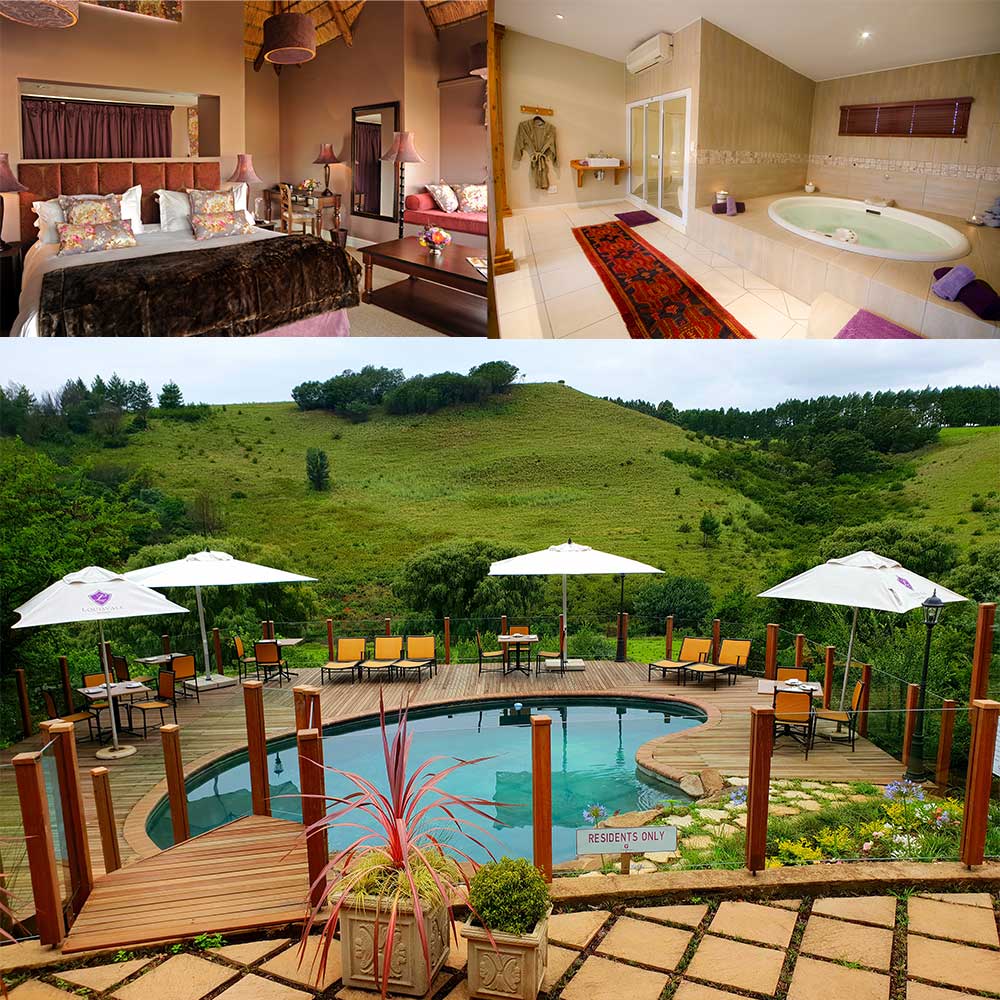
The physical setting matters in ways that compound over the course of an event. A venue with genuine character — with outdoor spaces that invite movement, with dining that brings people together rather than refuelling them efficiently, with an atmosphere of unhurried calm that counteracts the urgency delegates carry in from their working lives — does something a hotel conference suite simply cannot. It holds the conditions for different thinking to emerge and sustain.
Properties like Granny Mouse Country House and Spa in the KwaZulu-Natal Midlands have long understood this. Set in the quiet of the Midlands, away from the noise and pace of city life, the property offers something that no city venue can manufacture, genuine remove, combined with the kind of warm, attentive hospitality that allows delegates to be fully present rather than half-distracted. The thinking that happens in places like this tends to be the thinking that travels home.
The conference that changes something is not an accident. It is a decision, made first about where, and only then about what.
Contact they Granny Mouse Team today on banqueting@grannymouse.co.za and find out just how their team can take your conference to the next level and really achieve the results you want.