Let’s Talk Dirty: Unlock the Potential of Your Soil
Nestled in the heart of the KwaZulu Natal Midlands, Granny Mouse Country House & Spa is more than a haven of relaxation—it’s a source of inspiration. With over 30 years of heritage, this enchanting destination is surrounded by lush gardens that stir the imagination of visitors. According to General Manager Sean Granger, many guests return home inspired to cultivate their own green spaces.
“We’re fortunate here in the fertile KZN Midlands,” says Sean. “But wherever you are, understanding your soil is the key to helping your garden thrive.”
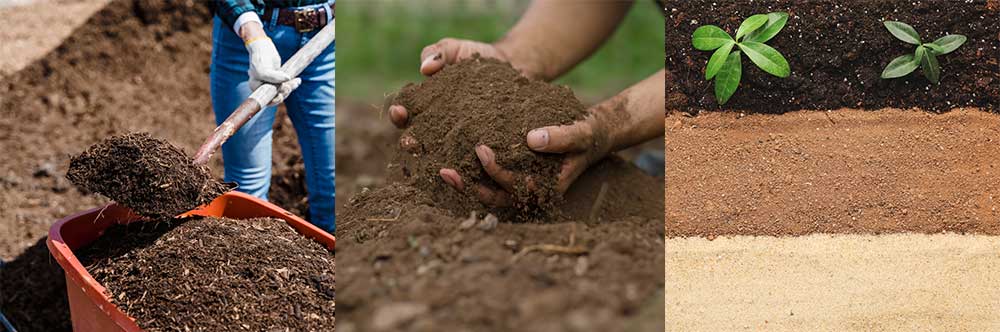
Gardening begins with soil. By learning to identify and work with what you have, you can nurture your plants into a flourishing display. There are six primary soil types: clay, sandy, silt, loam, peat, and chalk. Each has unique characteristics that affect plant growth.
To identify your soil, try the simple “get-your-hands-dirty” test. Add water to a sample, roll it in your hands, and observe its texture. Is it sticky, gritty, spongy, friable, or slimy? This tactile approach reveals which soil type you have—and how to bring out its best.
Understanding Soil Types
- Clay Soil: Rich in nutrients but slow to drain, clay soil can feel sticky and compact when wet. While it holds water and nutrients well, its density can make it challenging for roots to establish. Add organic matter like compost to improve drainage and create a better growing medium.
- Sandy Soil: Light, gritty, and quick-draining, sandy soil is easy to work with but prone to nutrient loss. Compost is your ally here—it helps retain moisture and boosts fertility.
- Silt Soil: Silky smooth and moisture-retentive, silt soil is fertile but easily compacted. Incorporate organic matter to bind particles together and reduce erosion.
- Loam Soil: The ideal blend of sand, silt, and clay, loam soil is fertile, well-draining, and easy to work with. Even though it’s a gardener’s dream, regular additions of organic matter keep it thriving.
- Peat Soil: Dark, spongy, and high in organic matter, peat soil is ideal for acid-loving plants like azaleas and blueberries. Rare in most gardens, it can be used to enhance other soils.
- Chalk Soil: Alkaline and prone to dryness, chalk soil can make life tricky for acid-loving plants. Adding organic matter helps, but it’s best to focus on plants that thrive in alkaline conditions.
Transforming Your Soil
No matter your starting point, you can improve your soil and unlock its potential:
- Organic Matter is Key: Compost, manure, or decomposed materials can be dug into soil to boost nutrients, improve water retention, and enhance texture.
- Gypsum for Clay: Adding gypsum breaks up heavy clay soil, improving aeration and drainage.
- Compost for Sandy Soil: Blend one-third compost with sandy soil to reduce water loss and increase fertility.
- Don’t Over-Till: Overworking soil can damage its structure. Focus on cultivating the top few centimetres for best results.
Compost: Your Gardens Best Friend
Making your own compost is not just practical—it’s deeply rewarding. By recycling kitchen scraps and garden waste, you create a nutrient-rich amendment that enriches your soil while reducing waste.
What to Include in Compost:
- Fruit and vegetable scraps
- Eggshells, paper egg boxes, and newspaper
- Garden clippings and dead flowers
- Manure from birds or animals
- Wood ash (in small amounts)
What to Avoid:
- Plastics, metals, and non-biodegradable materials
- Diseased plants and weeds with seeds
- Large branches, orange peels, and potato skins
Layer your compost with kitchen waste, soft pruning’s, and organic material like manure. Keep it damp (not soggy), turn it every few months to aerate, and watch it transform into rich, dark compost.
Healthy compost does wonders for your garden. It improves soil structure, encourages microbial activity, and boosts water retention. By adding it regularly, you’ll create a vibrant environment where plants can flourish.
At Granny Mouse Country House & Spa, the gardens showcase the power of nurturing soil. Whether you’re transforming clay into loam or replenishing sandy soil, the key is patience and care. By getting to know your soil and working with it, you’ll unlock the beauty and potential of your garden. Start small, dream big, and let nature take its course.
Next time you’re at Granny Mouse, take a moment to truly enjoy their gardens, and the work that goes into creating these immaculate green spaces, as it’s all a part of the Granny Mouse journey to relaxation.